About Gait Belts
What Is a Gait Belt and Why Does Every Caregiver Need One?
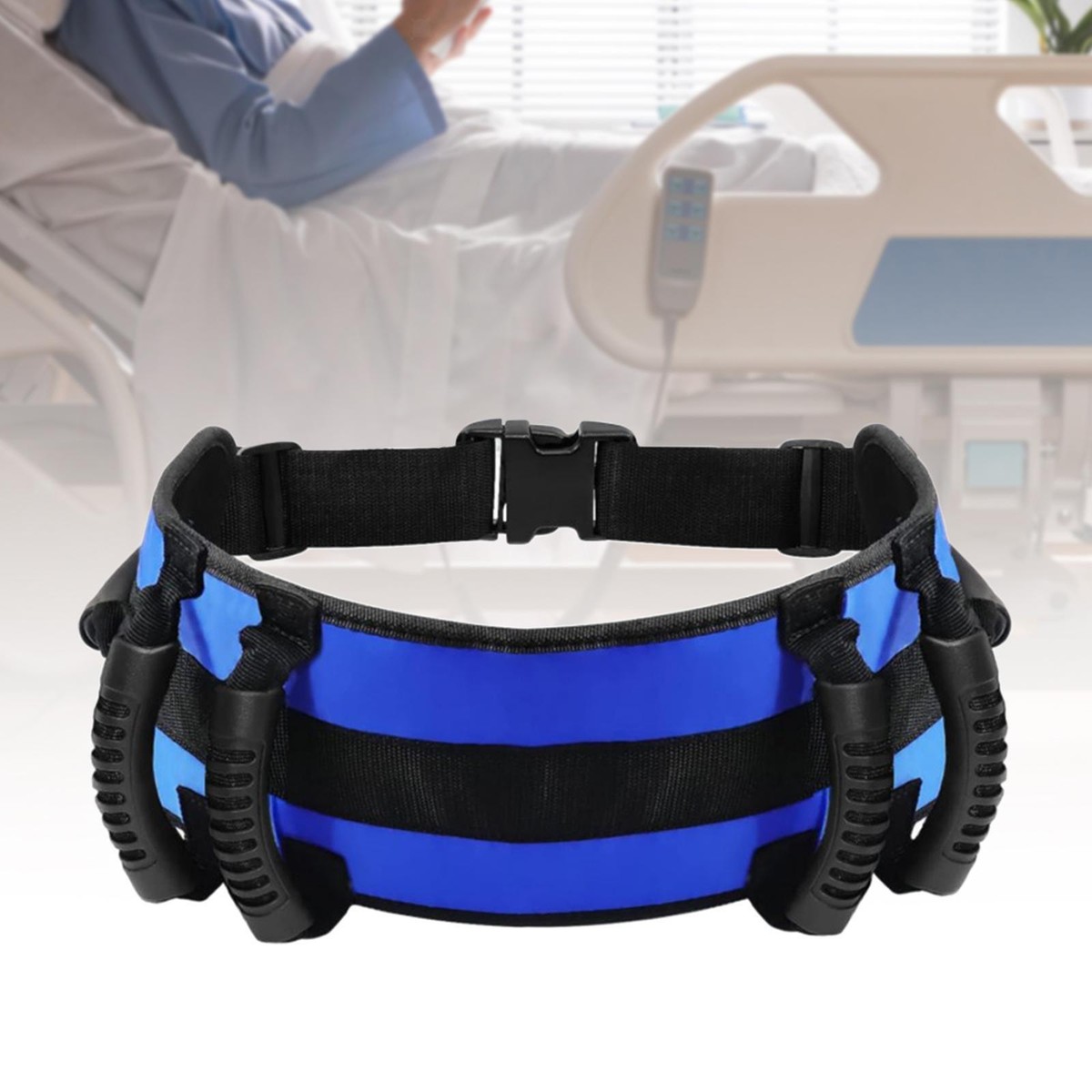
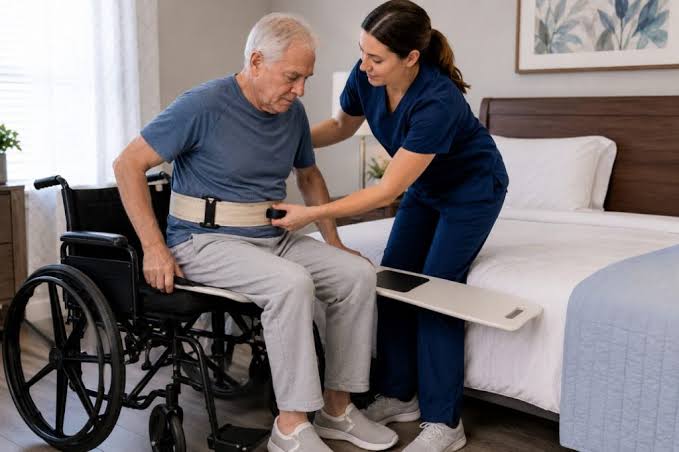
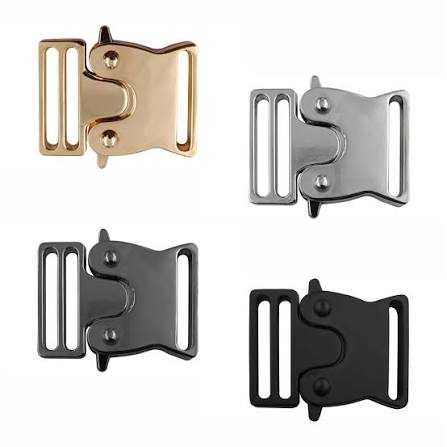
A gait belt, also called a transfer belt or patient transfer belt, is a sturdy strap of woven webbing that fastens around a patient's waist. It gives a caregiver, nurse, or physical therapist a firm, controlled handhold while helping someone stand up, sit down, walk, or move between a bed, wheelchair, chair, or toilet.
Instead of pulling on a person's arms or clothing, both of which are unstable and can cause shoulder injuries or skin tears, the caregiver grips the belt close to the patient's center of gravity. That single change makes transfers steadier, protects the caregiver's lower back, and gives the patient a real sense of security while moving.
Gait belts are standard equipment in hospitals, nursing homes, rehabilitation centers, and physical therapy clinics, and they are just as valuable for family caregivers at home. They are inexpensive, portable, require no power or installation, and work anywhere a patient needs help moving.
Who Uses a Transfer Gait Belt?
- › Family caregivers helping an elderly parent or spouse at home
- › Nurses, CNAs, and home health aides during daily patient handling
- › Physical and occupational therapists during gait training and rehab
- › People recovering from stroke, surgery, or injury who need walking support
- › Caregivers of people with Parkinson's disease, dementia, or balance disorders
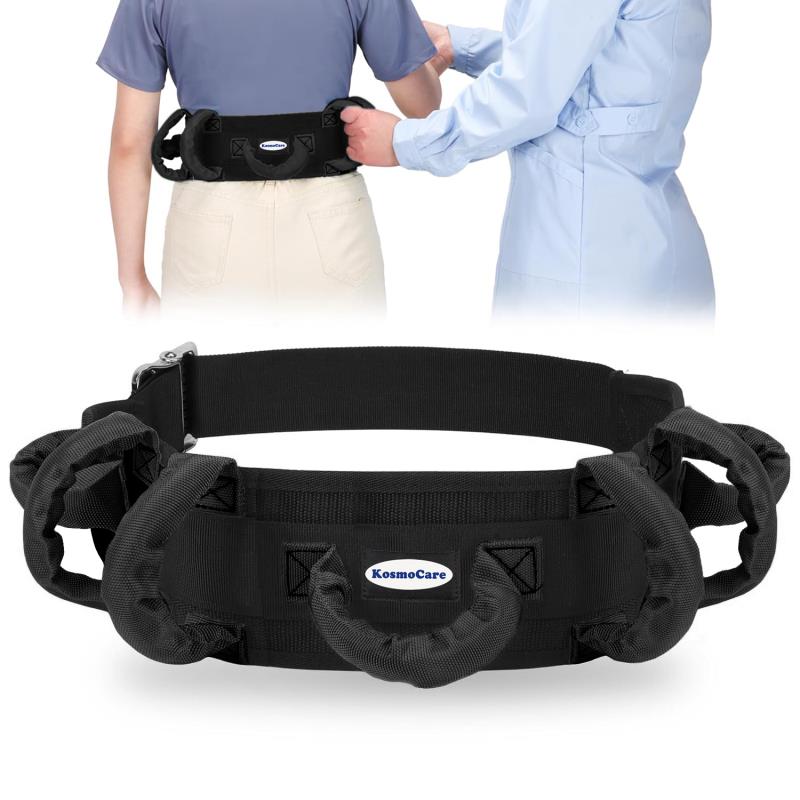
Gait Belt vs. Transfer Belt: Is There a Difference?
In everyday use the two names describe the same product. Historically, a gait belt supported walking practice while a transfer belt handled moves between surfaces. Today, most quality belts, especially gait belts with handles, are built to do both, so you can shop for either term with confidence.
A Quick Note on Safety
A gait belt assists a person who can bear some weight and follow simple directions. It is not a lifting device. If a patient cannot support any of their own weight, use a mechanical lift or a two-person assist recommended by a clinician.